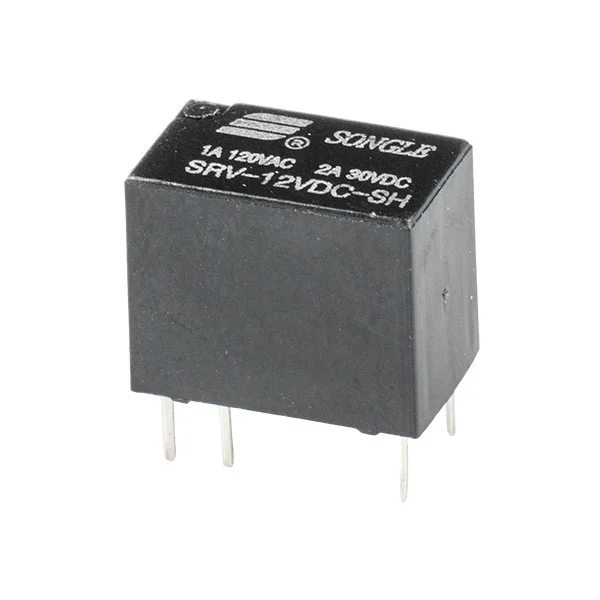
To ensure optimal performance and longevity of your Songle preheating relay, proper application and installation are paramount.
Q: My relay is getting warm during operation. Is this normal?
A: A slight temperature increase is normal, primarily due to the power dissipation in the coil (I²R heating). However, the relay should not become too hot to touch comfortably. Excessive heat can indicate several issues: the coil is being driven by an overvoltage, the contact current is exceeding the relay's rating, poor connections are causing resistance heating at the terminals, or ambient temperature is too high. Investigate these factors to prevent premature failure.
Q: What maintenance do Songle preheating relays require?
A: Songle relays are sealed, maintenance-free components designed for the life of the equipment. No internal maintenance like contact cleaning is possible or required. The only recommended maintenance is periodic visual inspection for signs of external damage, overheating (discoloration), or loose terminal connections during routine system servicing. If a relay fails, it should be replaced as a unit.
Q: Are Songle preheating relays suitable for both AC and DC coil operation?
A: Songle manufactures specific models for AC coil operation and specific models for DC coil operation. They are not typically interchangeable. An AC coil relay has an integrated shading ring to prevent chatter and ensure smooth operation on alternating current. A DC coil relay does not require this. Using an AC coil on DC voltage will likely burn out the coil due to lower resistance, and using a DC coil on AC voltage will cause violent buzzing and failure to operate correctly.
Q: Can the relay switch a load higher than its rated current for a short duration?
A: The rated current is the maximum continuous current the contacts can carry and switch reliably. Short-duration overloads, like motor inrush, are specified separately as "inrush current" ratings (e.g., 150A for 20ms). It is critical that any short-term surge does not exceed these specified inrush ratings in both magnitude and duration. Consistently switching above the rated continuous current will rapidly degrade the contacts, leading to failure.