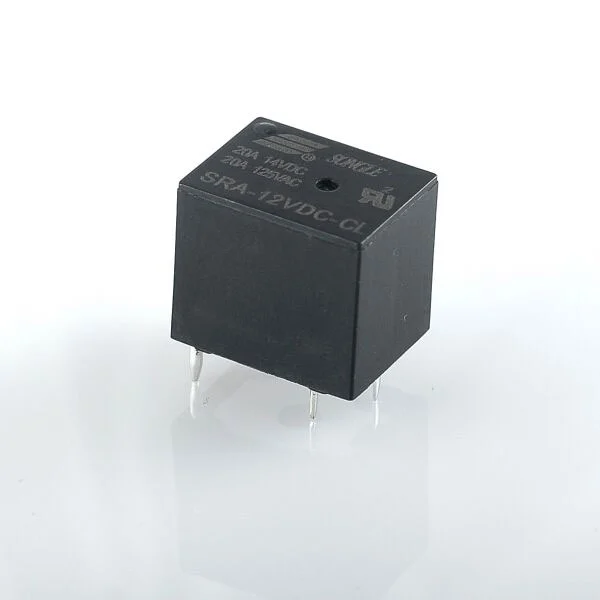
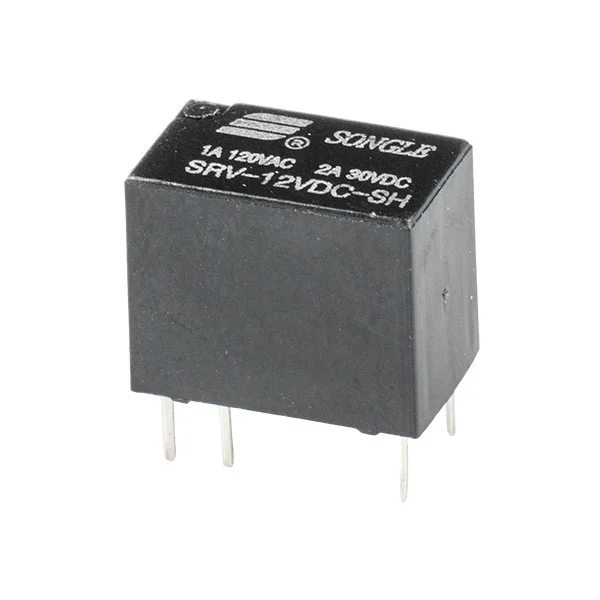
Miniature signal relays are compact yet powerful components essential in modern electronic circuits. This article explores their structure, functions, types, applications, and maintenance tips, helping engineers and buyers make informed decisions. By understanding the advantages and limitations of these relays, businesses can optimize performance and reliability in their electronic systems.
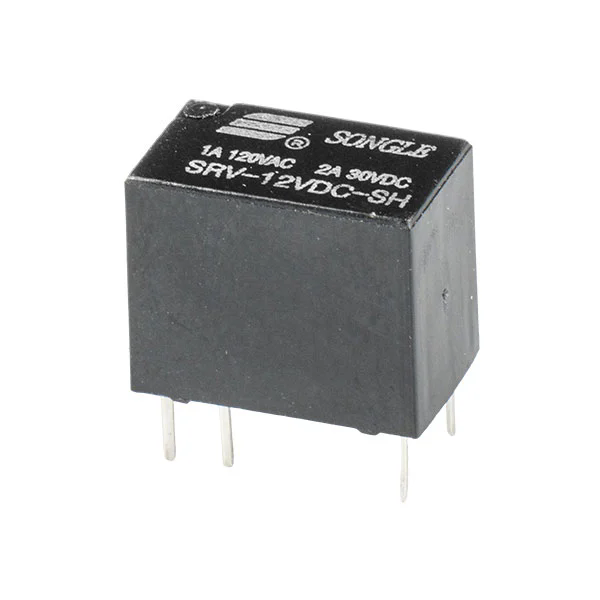
Miniature signal relays are small, electromechanical switches that control low-power signals in electronic devices. They are widely used in communication equipment, industrial automation, automotive electronics, and household appliances.
The basic structure of a miniature signal relay consists of:
These components work together to switch electronic signals with precision and reliability.
Miniature signal relays operate on the principle of electromagnetism. When a current passes through the coil:
This process allows a small input signal to control larger circuits safely and efficiently.
| Type | Description | Typical Application |
|---|---|---|
| Single Pole Single Throw (SPST) | Basic on/off relay | Small control circuits, alarms |
| Single Pole Double Throw (SPDT) | Switches between two circuits | Signal routing, automation systems |
| Double Pole Double Throw (DPDT) | Controls two independent circuits | Industrial machinery, robotics |
Choosing the right miniature signal relay involves evaluating:
To ensure long-term performance of miniature signal relays:
Q1: What is the difference between a signal relay and a power relay?
A1: Signal relays handle low voltage/current signals, while power relays switch higher voltages and currents.
Q2: Can miniature relays handle inductive loads?
A2: Yes, but ensure proper contact ratings to prevent arcing or premature failure.
Q3: How long do miniature signal relays last?
A3: Typical operational life ranges from 100,000 to several million cycles depending on load and usage conditions.
Miniature signal relays are indispensable components in modern electronic systems, offering precise control, reliability, and flexibility. Choosing the right type and ensuring proper maintenance will maximize performance and longevity.
Ningbo Songle Relays Co., Ltd. offers a wide range of high-quality miniature signal relays. For inquiries and product selection, contact us today to find the perfect solution for your application.