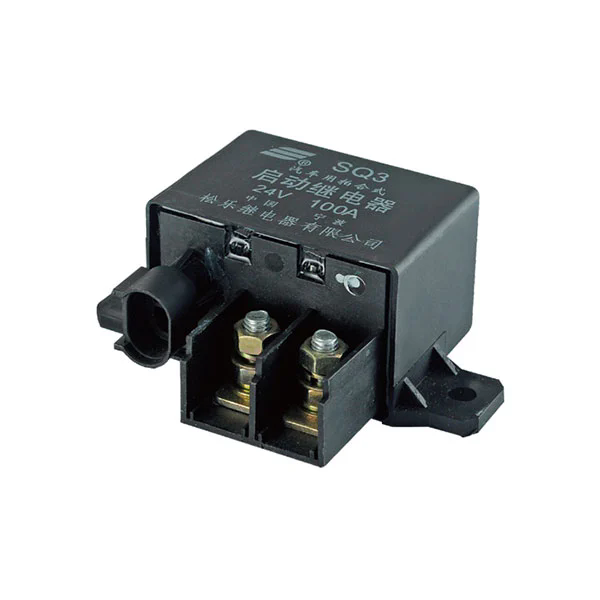
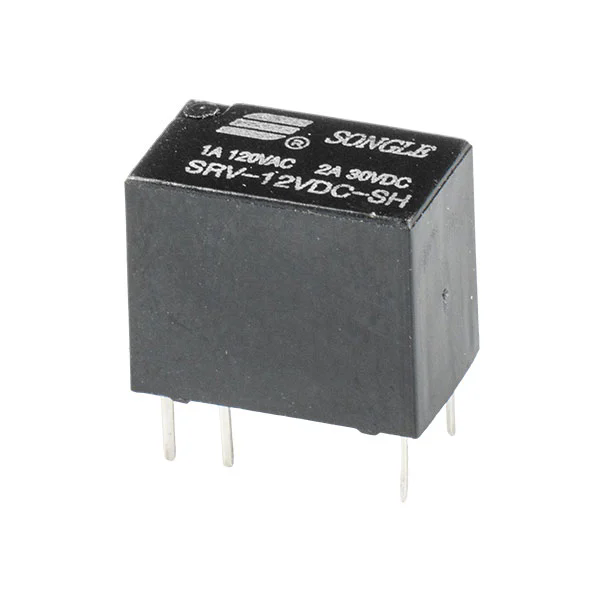
As electronic equipment becomes more compact and circuit designs continue to integrate more functions into limited space, relay selection has become an important consideration for electrical engineers and equipment manufacturers. In automotive electronics, industrial automation, and communication systems, relays must provide reliable switching performance while meeting requirements for installation space, electrical endurance, and insulation.
Subminiature PCB relays offer a practical solution for applications where circuit density and board layout are important. However, a compact footprint alone is not enough. Engineers also need to evaluate contact ratings, coil power consumption, operating temperature, dielectric strength, and compatibility with the surrounding circuit.
Why Compact PCB Relays Matter in Modern Electronic Equipment
PCB-mounted relays are used to switch electrical circuits while allowing control and load circuits to remain appropriately separated. Their size and terminal arrangement influence how efficiently they can be integrated into control boards, power management assemblies, and electronic equipment.
In automotive electronics, relay selection may be influenced by limited installation space, temperature variation, vibration, and the electrical characteristics of the controlled load. Industrial control systems may prioritize switching reliability, service life, and stable operation during extended working periods. Communication equipment manufacturers often need components that fit compact circuit layouts without compromising electrical design requirements.
These different requirements make it important to assess the relay as part of the complete circuit rather than selecting a component based on dimensions or nominal current alone.
Contact Ratings and Electrical Endurance Need to Be Evaluated Together
Contact rating is one of the first specifications engineers review when choosing a relay. However, the actual suitability of a relay depends on the load type, switching frequency, inrush current, operating voltage, and environmental conditions.
Resistive loads and inductive loads can place different demands on relay contacts. Motors, solenoids, and other inductive devices may generate voltage transients during switching, while capacitive loads can produce high initial current. These conditions can influence contact wear and electrical life.
Electrical endurance and mechanical endurance should also be distinguished. Electrical endurance describes switching performance under specified electrical conditions, whereas mechanical endurance relates to operation without the same electrical contact load. The two figures are not interchangeable, and neither should be treated as a guaranteed service life under every application condition.
Before approving a relay for production, engineers should confirm the applicable endurance rating, switching conditions, and expected operating frequency against the requirements of the finished equipment.
Low Coil Power Consumption Supports Efficient Circuit Design
Coil power consumption affects the energy required to energize a relay and can influence the design of the control circuit. In systems using multiple relays, battery-powered equipment, or assemblies with limited thermal capacity, coil consumption may be an important factor in component selection.
Engineers should compare nominal coil voltage, power dissipation, pick-up voltage, and drop-out voltage when assessing compatibility with a control circuit. The available drive voltage must be sufficient to operate the relay under the expected conditions, while the control design should account for the specified operating limits.
Low coil power alone does not establish overall efficiency or switching capability. The relay must also be suitable for the controlled load, required switching behavior, and electrical environment in which it will operate.
Temperature and Insulation Are Important Reliability Considerations
Electronic components may experience significant temperature variation during operation. Relays installed near power components, inside enclosed equipment, or in industrial environments may be exposed to elevated ambient temperatures that affect their operating conditions.
When selecting a relay, engineers should distinguish the specified ambient operating temperature from the temperature rating of the insulation system. They should also consider coil heating, contact heating, ventilation, installation spacing, and the temperature limits of nearby components.
Dielectric strength and insulation resistance provide additional information about electrical separation between the coil and contacts. These specifications are particularly relevant when the circuit design requires defined insulation performance. They should be evaluated alongside the applicable safety standards, working voltage, pollution conditions, and end-product requirements.
A relay's temperature range or insulation classification should therefore be reviewed as part of the overall equipment design rather than treated as a stand-alone indication of suitability for every demanding environment.
PCB Layout and Installation Compatibility Affect Component Selection
A relay may meet the required electrical specifications but still be unsuitable for a particular PCB if its footprint, terminal arrangement, or installation dimensions do not match the board design.
Before finalizing a component, purchasing and engineering teams should check the terminal layout, mounting dimensions, clearance requirements, coil polarity where applicable, and the manufacturer's recommended soldering conditions. These details help prevent redesign work during prototype development or production transfer.
For equipment manufacturers developing a new control board, confirming the relay footprint early can simplify layout planning and reduce the risk of incompatibility between the selected component and the PCB assembly.
What Engineers Should Check Before Sourcing PCB Relays
When comparing relay manufacturers and product models, engineers should review the complete specification rather than relying on a single headline parameter. A practical evaluation should include:
- Contact arrangement and rated switching load.
- Nominal coil voltage, power consumption, and operating thresholds.
- Electrical and mechanical endurance under defined conditions.
- Ambient temperature limits and insulation classification.
- Dielectric strength and insulation resistance.
- PCB footprint, terminal configuration, and installation clearance.
- Applicable safety approvals, test documentation, and traceability requirements.
Buyers should also confirm whether published specifications apply to the exact relay variant being purchased. Different coil voltages, contact configurations, and temperature versions may have different ratings or approval conditions.
For OEM projects, reviewing the manufacturer's technical documentation and evaluating samples under representative operating conditions can help verify compatibility before a component is introduced into mass production.
Compact Relay Solutions for Industrial and Electronic Applications
As circuit boards become more space-constrained, subminiature relays remain relevant to equipment designers seeking a balance between installation size, switching requirements, and electrical insulation. Choosing the appropriate model requires a clear understanding of both the circuit's operating conditions and the relay's verified specifications.
Ningbo Songle Relays Co., Ltd. develops relay products for a range of electronic and electrical applications. Its SRI(T72) Relay features a compact PCB layout, an 11 g product weight, a Class F insulation system, and stated ambient temperature options of -40°C to +85°C or +105°C, depending on the applicable version.
The product documentation also lists contact arrangements, coil voltage options, contact resistance, endurance ratings, and insulation specifications for engineering evaluation. Buyers should consult the relevant datasheet to confirm the exact variant and operating limits required for their application.
For engineers and purchasing teams evaluating compact PCB relays for control boards, industrial equipment, or electronic assemblies, reviewing the installation layout and electrical requirements together is an important step toward selecting a suitable component.
Learn more about the SRI(T72) Relay from Songle, or contact the team for product information and sourcing inquiries .